
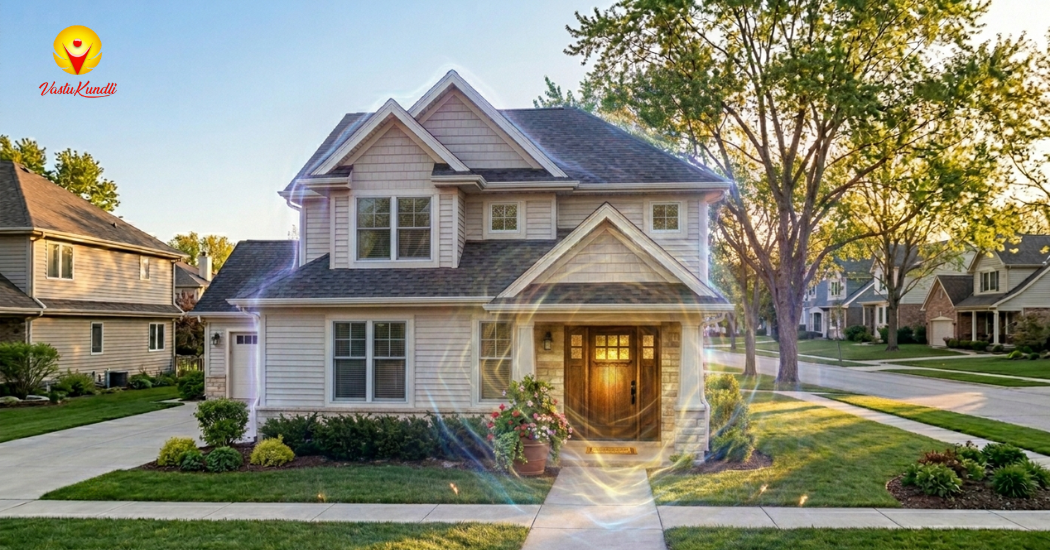
Your main entrance is where energy enters your home every single day. It’s the mouth of your house, the threshold between the outside world and your family’s private sanctuary. Every bit of opportunity, prosperity, health, and positive flow that comes into your life passes through this doorway first. Yet most families moving to the USA or Canada make the same preventable mistakes with their main entrances, mistakes that quietly drain their wellbeing for years without them ever connecting their struggles to that front door they walk through daily.
The challenge is that North American homes are designed with zero awareness of energy principles. Builders position entrances based on street access, curb appeal, and construction efficiency. Real estate agents market properties highlighting granite countertops and open floor plans while completely ignoring whether the main door actually supports the family’s growth and prosperity. Families fall in love with homes based on how the kitchen looks in photos, never once checking whether the entrance direction will limit their career advancement or drain their financial stability.
Kunal and Priyanka discovered this reality the hard way after relocating to San Jose for Kunal’s tech job. They bought a beautiful townhouse in an excellent neighborhood, excited to start their American dream. The property had everything they wanted, modern finishes, good schools nearby, reasonable commute. They noticed the front door faced southwest but didn’t think much about it. Their parents back in India had warned them about entrance directions but the real estate agent assured them the house was perfect and they needed to make a quick decision in the competitive market.
Within eighteen months of moving in, both were experiencing unexplained obstacles. Kunal kept getting passed over for promotions despite excellent performance reviews. Priyanka’s freelance design business struggled to gain traction no matter how hard she worked. Money seemed to evaporate faster than they could save it. Their young son developed behavioral issues at school. The family dynamic felt increasingly tense and stressed despite having all the external markers of success.
When they finally consulted a Vastu expert, the consultant immediately walked to their front entrance and spent several minutes just observing. The southwest-facing door was only part of the problem. The entrance opened directly into the living room with no transition space. Shoes and bags cluttered the entry area daily. The door itself was in poor condition with a sticking lock they’d been meaning to fix. The pathway to the entrance was dark and uninviting. Each of these factors was quietly undermining the energy entering their home and affecting every aspect of their lives.
The expert explained that fixing entrance issues doesn’t require demolition or moving. Simple corrections addressing direction, quality, and energy flow can transform how your main door functions. Kunal and Priyanka implemented the recommended changes and within months noticed shifts. Opportunities started appearing. Financial pressure eased. Their son’s behavior improved. They learned that your main entrance literally determines what energy and opportunities can enter your life, making it the single most important feature to get right.
Ignoring the Actual Entrance You Use Daily
The first major mistake families make is assuming the architectural front door is their main entrance from an energy perspective when they actually enter through a completely different door most days. North American homes typically have multiple entry points and the door you use daily matters far more energetically than the door the builder designated as the front entrance.
Many families enter primarily through the garage into a mudroom or laundry area rarely using the formal front door except when guests visit. Others have side entrances from driveways that become their functional main entry. The energy entering your home flows through whichever door receives the most traffic. If you’re walking through your garage entrance twice daily and using your front door twice monthly, your garage entrance is your energetic main door regardless of architectural designation.
This matters enormously because you might worry about your front door facing an unfavorable direction while completely overlooking that your actual daily entrance faces an even more problematic direction. Or conversely, you might reject a property because the front door faces southwest while the garage entrance you’d actually use faces a favorable direction making the concern irrelevant.
Families also make the mistake of treating all entrances as equally important rather than recognizing that your primary entry point deserves the most attention and optimization. If you enter through your garage daily, that entrance area needs to be clean, well-lit, and welcoming just as much as a traditional front door would. The energy quality of your actual entry matters not the theoretical importance of whichever door faces the street.
The solution is identifying which door you genuinely use most frequently and treating that as your main entrance for Vastu purposes. Optimize that entrance area. Check its direction. Ensure it’s functioning well. If your front door faces a challenging direction but you rarely use it, focus your corrections on your actual daily entrance instead.
Entrance Clutter and Poor Maintenance
Perhaps the most common and easily correctable mistake is allowing the entrance area to become cluttered, dirty, or poorly maintained. Families understand intellectually that first impressions matter but they don’t connect this to energy flow. They let shoes pile up, bags accumulate, mail stack on entry tables, and dirt build up at the threshold while wondering why opportunities seem blocked and energy feels stagnant.
Clutter at your entrance literally blocks energy from entering your home freely. When positive flow tries to come through your door and immediately encounters obstacles, it can’t circulate properly. This manifests as opportunities that almost happen but don’t quite materialize, money that comes in but immediately flows out, and a general sense of things being stuck or blocked despite your efforts.
North American homes often have minimal entry space with doors opening directly into living areas. Families use these tight entry zones as dumping grounds for everything coming in and out of the house. Coats on hooks, shoes everywhere, sports equipment, backpacks, packages waiting to be dealt with. The entrance becomes a cluttered transition zone that everyone rushes through without recognizing the energetic impact.
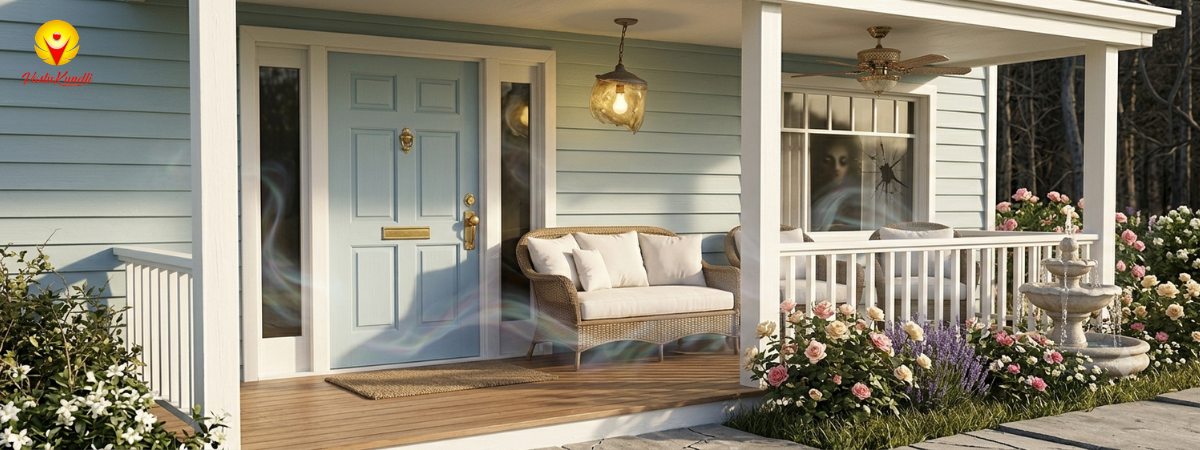
Poor maintenance compounds the problem. Doors that stick or squeak, locks that don’t work smoothly, doorbells that stopped functioning months ago, peeling paint or weathered finishes. Each maintenance issue creates friction in the energy entering your home. If your door doesn’t open easily, energy doesn’t enter easily. This isn’t metaphor, it’s observable correlation between physical condition and life flow.
The solution is ruthlessly simple. Keep your entrance area completely clear of clutter daily. Create storage solutions for shoes and coats that contain them properly. Fix every maintenance issue immediately. Clean the entrance area weekly including the door itself, the threshold, and the approach path. These basic practices create enormous improvements in how energy enters your home.
Direct Alignment Creating Energy Rushing
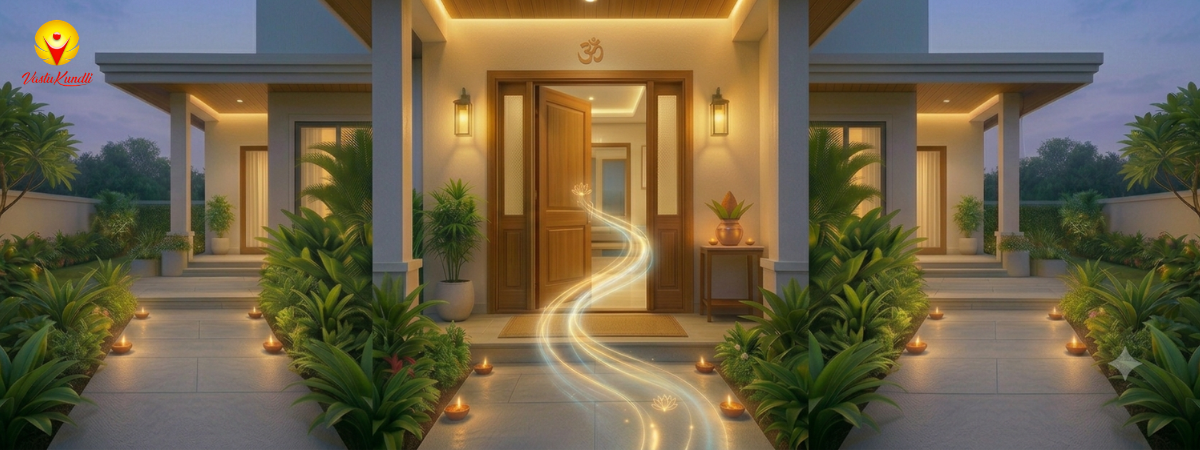
A critical mistake built into many North American home designs is direct alignment between the front entrance and back exit creating what’s called piercing or rushing energy. When you can draw a straight line from your main door through your home to a back door or large window, energy enters and immediately shoots through without slowing down to nourish different areas of your living space.
This design appears frequently in open concept floor plans where the front door opens into a great room that extends to the back of the house with patio doors or large windows. The sightline goes straight through. Builders think this creates a spacious appealing flow. Energetically it creates a situation where positive energy rushes in and out without ever settling or accumulating.
Families living with this configuration often experience difficulty retaining wealth. Money comes in through income but flows out just as fast through expenses they can’t quite control. They might receive opportunities but those opportunities don’t stick or develop into lasting benefits. There’s a constant sense of restlessness or inability to settle and feel grounded even though they’re not moving frequently.
The mistake is not recognizing this alignment as problematic when touring homes or living in them. Families see the open sightlines as a positive feature without understanding the energy implications. They might even specifically seek out homes with these open views not realizing they’re creating conditions that will undermine their financial stability and sense of groundedness.
Correcting this doesn’t require walls or construction. Strategic furniture placement can redirect energy flow. A console table behind the sofa, a bookshelf positioned at an angle, area rugs that define zones, these create energetic speed bumps that slow rushing energy and encourage circulation. Even simple changes like keeping back blinds partially closed or using screens and room dividers can moderate the piercing effect without major renovation.
Entrance Facing Problematic Features
Another common mistake is having the main entrance face directly at stairs, bathrooms, or other challenging features creating immediate energy conflicts the moment someone enters. This happens frequently in North American two-story homes where design efficiency places stairs directly across from or very near the front entrance.
When your entrance faces stairs going up, energy entering your home is pulled upward immediately instead of circulating through the main living level. This can manifest as difficulty grounding, family members feeling scattered or unfocused, and challenges with following through on plans and commitments. The upward pull of stairs directly visible from the entrance draws energy away from where you actually live and gather.
Similarly when the entrance faces or is very near a bathroom, the entering positive energy immediately encounters drainage. Bathrooms by nature carry water and waste energy. Having this be the first thing entering energy encounters creates subtle but persistent drainage affecting wealth, health, and overall vitality. Family members might not recognize the connection but they’re being energetically drained from the moment they walk in the door.
Some homes have entrances that open directly into kitchens or where the kitchen is immediately visible upon entering. This exposes the fire element of cooking directly to entering energy creating conflicts. It also means the family’s food preparation and nourishment area lacks the privacy and protection it ideally should have.
The solution varies by situation. For stairs facing the entrance, using screens, plants, or furniture to create visual and energetic barriers helps. Keeping the area well-lit reduces the pulling effect. For bathrooms near entrances, keeping those bathroom doors closed always and using strategic placement of mirrors or artwork can redirect energy. For kitchen visibility, using partial screening or ensuring the stove area specifically isn’t in direct sightline from the entrance moderates the concern.
Poor Entrance Lighting and Approach
Many families completely overlook the importance of proper lighting at and approaching their main entrance. They focus on interior lighting while the exterior entrance remains dim, shadowy, or inconsistently lit creating energetic obstacles before anyone even reaches the door. This is especially problematic in North American climates where winter darkness arrives early and families come home from work to completely dark entryways.
Dark approaches to your entrance discourage positive energy from entering. If the pathway to your door is shadowy, if the entrance itself isn’t well-lit, if there’s no welcoming glow guiding people to your threshold, energy encounters resistance before it even reaches your home. This manifests as opportunities that seem close but don’t quite materialize, helpful people or resources that almost connect but fall through, a sense of your path being obscured or unclear.
Interior entrance lighting also matters tremendously. Dim entry areas create stagnant heavy energy from the moment you step inside. If your entrance opens into a dark hallway or poorly lit foyer, you’re literally starting every homecoming in shadow. Over time this affects mood, optimism, and the sense of welcome and support your home provides.
The mistake compounds when families don’t maintain entrance lighting. Burned out bulbs that stay unreplaced for weeks, fixtures that don’t work properly, timers that stopped functioning. Each day that your entrance remains inadequately lit is a day that energy can’t enter your home fully and freely.
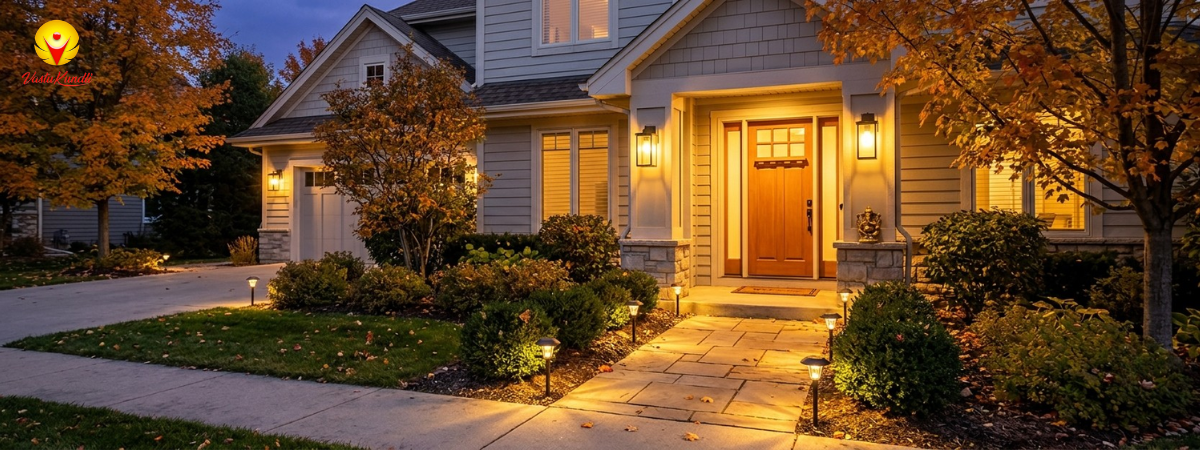
The solution is strategic lighting at multiple points. Install good exterior lighting along the path to your entrance and at the door itself on timers or sensors so it’s always lit when needed. Ensure interior entrance areas are bright and welcoming. Use full-spectrum bulbs that mimic daylight. Consider layering lighting with overhead fixtures plus accent lighting to eliminate shadows. Quality entrance lighting is inexpensive but creates disproportionate energetic benefit.
Entrance Direction Without Context
A major mistake is obsessing over entrance direction in isolation without considering the complete entrance situation including position within that direction, actual door quality, and how you use the space. Families read that certain directions are unfavorable and panic about their entrance facing that direction while ignoring that the bigger problem might be the clutter, maintenance issues, or alignment concerns.
Not all positions within a direction are equal. The south direction divides into multiple padas or subsections. An entrance in one pada might be quite different energetically than an entrance in another pada of the same general direction. Blanket rejecting all south-facing homes misses these important distinctions.
Additionally your personal and family factors influence how different directions affect you. What works for one family might not work for another based on individual birth charts, life stages, and specific circumstances. Blindly following generic rules without understanding your particular needs leads to rejecting suitable properties or accepting unsuitable ones based on incomplete evaluation.
The bigger issue is that entrance direction is one factor among many determining how well your entrance functions. A northeast-facing entrance filled with clutter, poorly maintained, opening into a dark hallway doesn’t serve you well despite the favorable direction. A southwest-facing entrance that’s impeccably maintained, well-lit, clear of obstacles, with proper energy flow might function far better overall.
The solution is comprehensive entrance evaluation that considers direction as one important factor but also examines quality, maintenance, lighting, clutter, alignment, and actual usage patterns. Work on optimizing every aspect of your entrance rather than fixating exclusively on whether the direction is theoretically favorable.
Neglecting Entrance Area Energy Quality
The final major mistake is treating the entrance purely as a functional space for moving in and out without recognizing it as an energetic gateway that deserves intentional care and enhancement. Families rush through their entrances focused on getting into or out of the house without ever investing in making that threshold truly welcoming and supportive.
The visual and sensory experience of approaching and entering your home matters enormously. What do you see as you walk toward your door. Is it inviting or off-putting. What do you smell. What sounds do you hear. What does the door feel like to touch and open. Each sensory element affects how you feel about coming home and how energy experiences entering your space.
Many North American homes have uninspiring or even unpleasant entrance approaches. Bare concrete paths, minimal landscaping, nothing to delight the eye or lift the spirit. The functional goal of getting from driveway to door is met but there’s no beauty, welcome, or energetic enhancement. Over time this daily visual poverty affects your overall experience of home and life.
Inside the entrance, families often have blank walls, harsh lighting, no intentional beauty or meaningful objects. The entrance is a pass-through zone not a curated space. Compare this to traditional practices where entrances receive special attention with auspicious symbols, beautiful artwork, fresh flowers, and objects chosen specifically to welcome positive energy.
The emotional tone you want your entrance to set goes unconsidered. Do you want to feel peaceful entering your home, or energized, or protected, or uplifted. Your entrance should actively create that feeling through color, light, objects, and arrangement. Most families never think about what emotional quality their entrance creates, they just accept whatever the builder provided.
The solution is intentionally designing your entrance experience. Choose beautiful door hardware and a color that feels right. Add plants or flowers along the approach. Place a meaningful object or artwork inside the entrance. Use colors and lighting that create the mood you want. Treat your entrance as sacred space deserving care and attention rather than as mere functional transition zone.
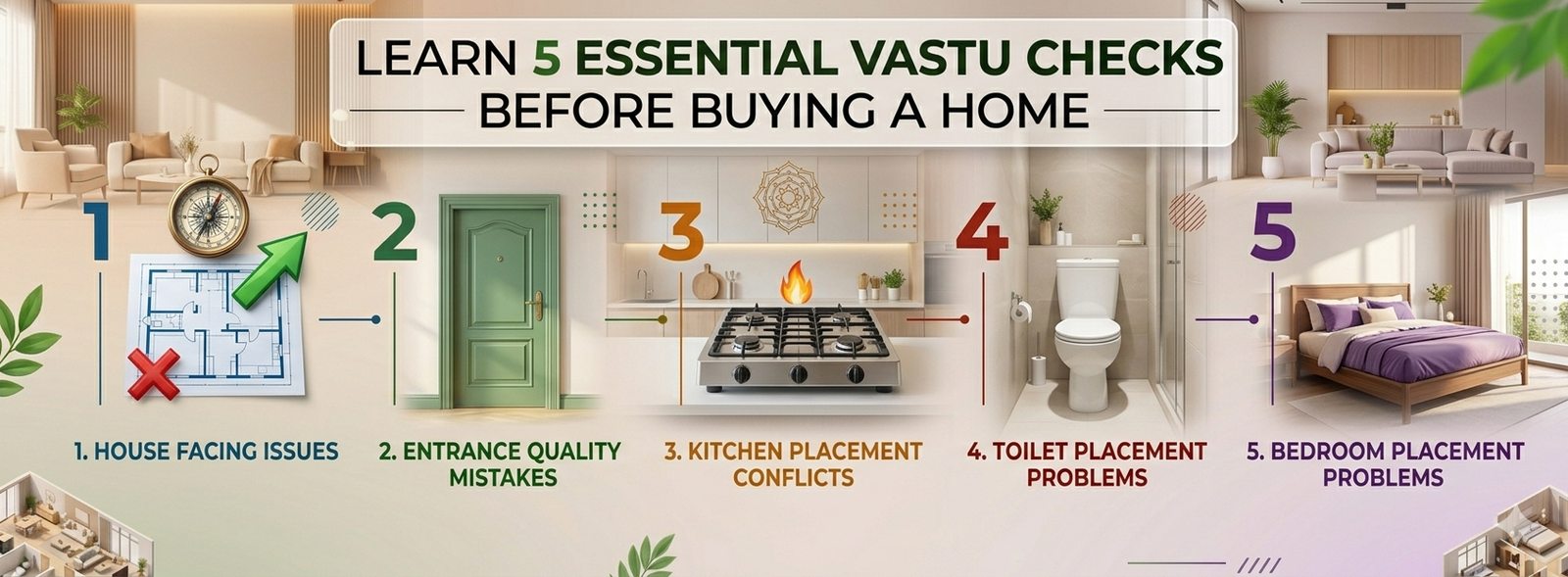
Learn 5 Essential Vastu Checks Before Buying a Home
Even before consulting an expert, families can perform 5 essential checks themselves:
- House Facing Issues – The direction your home faces affects overall energy and growth.
- Entrance Quality Mistakes – The main door controls how positive energy enters the house.
- Kitchen Placement Conflicts – Wrong kitchen direction can disturb health and finances.
- Toilet Placement Problems – Poor toilet location can weaken wealth and health zones.
- Bedroom Placement Problems – Incorrect bedroom zone can affect sleep and relationships.
These simple checks are just the start. To learn them in depth, with practical applications for homes in the USA and Canada:
Join our live course “5 Essential Vastu Checks Before Buying a Home.”
This course will guide you step-by-step to evaluate any property before making a purchase, helping you avoid mistakes that lead to stress, financial strain, and family discomfort. Families who take this course leave with actionable insights they can implement immediately whether they’re buying a new home or checking an existing property.
Go to the course section and join our live course today to gain major Vastu insights for every home decision.
Book Your Comprehensive Vastu Health Report
For families ready to buy or even after selecting a property, our Vastu Health Report is invaluable. Unlike a casual consultation, this report examines 30 plus critical parameters of your home, including main door alignment and entrance energy, kitchen orientation and placement, bedroom and study room energy, clutter and lighting analysis, and hidden energy zones affecting health, wealth, and relationships.
By checking all these parameters, families can identify and correct energy blockages before moving in, ensuring long-term harmony, prosperity, and well-being.
Book your personalized Vastu Health Report in the consultation section today because your home should nurture your family, not drain it.
About Our Vastu Expert – Gaurav Jindl
Gaurav Jindl has helped hundreds of families in the USA and Canada identify and correct main entrance mistakes that were quietly undermining their prosperity and wellbeing. He understands that North American home design creates specific entrance challenges that families from India haven’t encountered before and that require adapted solutions working within modern architectural constraints.
His approach focuses on practical corrections that don’t require demolition or major renovation. He teaches families to recognize which entrance issues are truly critical versus which are manageable, how to optimize whichever entrance they actually use daily, and how to create welcoming energetic gateways regardless of directional limitations.
Gaurav provides clear guidance on entrance evaluation during home shopping so families can make informed decisions before purchase. For families already living with entrance concerns, he offers correction strategies that significantly improve energy flow through simple accessible changes in maintenance, organization, lighting, and intentional enhancement.
Practical Advice for Families in the USA and Canada
Identify which door you actually use most frequently and treat that as your main entrance for all Vastu purposes. Don’t worry about the architectural front door if you rarely use it.
Implement a daily entrance clearing practice where you ensure the entry area is completely clutter-free every evening. This simple discipline creates dramatic energy improvements.
Fix every entrance maintenance issue immediately rather than tolerating sticky doors, broken locks, or peeling finishes. Each problem creates energetic friction.
Invest in quality entrance lighting both exterior and interior. This is inexpensive but creates disproportionate benefit for energy flow and family wellbeing.
Create an intentional entrance experience with beauty, welcome, and positive sensory qualities rather than treating it as purely functional space.
Final Thoughts
Kunal and Priyanka implemented a systematic entrance upgrade addressing every issue their consultant identified. They cleared all clutter and created organizational systems to keep it clear daily. They fixed the sticking lock and painted the door a welcoming color. They installed excellent lighting along the approach and inside the entrance. They added plants flanking the door and placed meaningful artwork inside the entrance. They used furniture to redirect the rushing energy created by their open floor plan.
The transformation wasn’t about the individual changes but the cumulative effect of treating their entrance as the sacred energy gateway it actually is. Within months they noticed shifts that seemed almost miraculous but were actually the natural result of removing obstacles to positive flow. Kunal received an unexpected promotion. Priyanka’s business attracted higher-quality clients. Their financial situation stabilized. Their son’s school issues resolved. Their home felt fundamentally different.
Your main entrance literally determines what can enter your life. Every opportunity, every bit of prosperity, every positive connection passes through that threshold. The mistakes most families make aren’t complicated or expensive to fix, but they create enormous drag on wellbeing as long as they persist. Treating your entrance with the care and attention it deserves might be the single most impactful change you make to support your family’s thriving.
Frequently Asked Questions
Q. What if my main entrance faces a direction considered unfavorable in Vastu?
Direction is one factor among many. A less favorable direction with excellent entrance quality, maintenance, lighting, and energy flow can function far better than a theoretically favorable direction that’s cluttered, dark, and poorly maintained. Focus on optimizing all aspects of your entrance. Many direction concerns can also be moderated through corrections that don’t require changing the door location.
Q. How do I know which door is my energetic main entrance if I use multiple doors?
Whichever door you physically pass through most frequently is your energetic main entrance regardless of architectural designation. Count how many times you use each door over a week. The highest traffic door is your main entrance for Vastu purposes and deserves primary attention and optimization.
Q. Can entrance clutter really affect my finances and opportunities, or is this symbolic?
The correlation between entrance clutter and life blockages is consistent enough to take seriously. Families who clear entrance clutter reliably report improvements in opportunities and financial flow within weeks or months. Whether you understand this as direct energetic causation or as a psychological shift from taking control of your environment, the practical results speak for themselves.
Q. What are the most important entrance corrections I can make without renovation?
Clear all clutter daily, fix every maintenance issue, install excellent lighting, keep the entrance impeccably clean, create beauty and welcome through color and objects, and ensure energy can flow freely without rushing straight through your home. These changes require no construction but create profound improvements in how your entrance functions.
Q. Should I reject a property I love just because the entrance has issues?
Evaluate whether the entrance issues are fundamental and unchangeable, like an extremely problematic direction with no alternative entrance, or whether they’re correctable concerns like clutter, lighting, or maintenance. Most entrance problems can be significantly improved through practical corrections. Don’t reject an otherwise suitable property for correctable entrance concerns, but do factor the needed corrections into your decision.
