
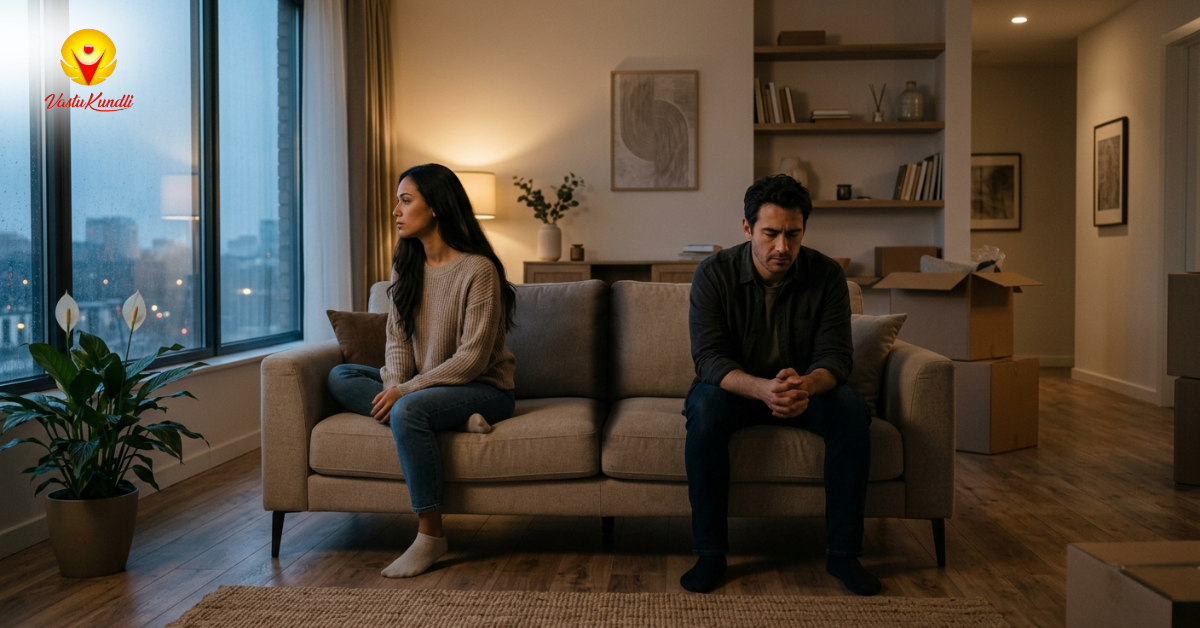
You move into a new home together, excited about this next chapter of your life. Maybe it’s a bigger house for your growing family, or a dream location you’ve worked years to afford, or a fresh start in a new city. Everything should feel perfect. But within months, something feels off between you and your partner. You’re living in the same house, sleeping in the same bed, but there’s this distance you can’t quite explain.
The conversations become more functional and less intimate. You coordinate schedules and discuss bills, but you’re not really connecting anymore. The warmth you used to feel toward each other seems muted. You’re not fighting more than usual, which somehow makes it worse because at least fighting would be passionate. Instead, there’s just this quiet drifting apart that neither of you intended and neither of you knows how to fix.
This exact scenario unfolded for Rishabh and Komal after they relocated from Boston to Chicago for Rishabh’s job promotion two years ago. They had been married for eight years, genuinely happy together, best friends who still enjoyed each other’s company. The move was supposed to be an adventure they tackled as a team. They found a beautiful house in a great neighborhood, unpacked their lives into this new space, and waited for everything to settle into comfortable normalcy.
But normalcy never came. Instead, a strange coldness crept into their relationship. Komal found herself feeling lonely even when Rishabh was home. They would sit together watching television without really being present with each other. Their physical intimacy diminished gradually until it became almost nonexistent. When they did try to connect, it felt forced and awkward, nothing like the natural ease they used to share.
Rishabh noticed he was staying later at work, not because he had to but because coming home didn’t feel as inviting as it used to. He couldn’t explain why. Komal was there, the house was nice, but something essential was missing. The spark between them seemed to have extinguished, and neither of them knew why or how to reignite it. They started wondering if the relationship had simply run its course, if maybe they had grown apart naturally.
After a year and a half of this painful distance, increasingly worried they might be heading toward separation, a colleague mentioned Vastu to Komal. At first, it seemed like a desperate reach to blame their relationship problems on their house. But when Komal researched it more and read testimonials from other couples who had experienced similar disconnection after moving, she convinced Rishabh to get a comprehensive Vastu Health Report for their home.
What they discovered was revelatory. Their beautiful new house had several significant energy imbalances that were directly affecting their relationship. The placement and orientation of their master bedroom, the direction their bed faced, blocked energy in specific zones, and other factors were creating an environment that suppressed intimacy and emotional connection. With simple, practical remedies that required no renovations, they started making changes. Within three months, they felt like they had found each other again.
Understanding Relationship Energy in Your Living Space
Here’s what most couples don’t realize when they relocate. Your home is not just a neutral container where your relationship happens. It’s an active participant in your relationship dynamics. The energy patterns in your living space either nurture intimacy and connection or suppress it. When you move from one home to another, you’re changing the entire energetic environment that your relationship exists within.
Every home has what Vastu calls relationship zones, areas that specifically govern partnership, intimacy, emotional bonding, and marital harmony. When these zones are balanced and properly activated, they support your relationship naturally. You feel drawn to each other. Communication flows easily. Physical and emotional intimacy feel natural and effortless. When these zones are blocked, disturbed, or contain elements that suppress their energy, your relationship struggles in ways you can’t consciously identify.
The challenge is that you don’t feel the energy directly. You just feel the effects. You notice you’re fighting more or feeling distant or losing interest in physical intimacy, and you assume something is wrong with the relationship itself. You might go to couples therapy, which can certainly help with communication and conscious issues. But if the underlying environmental energy is working against your connection, therapy alone can’t overcome that constant negative influence.
Think of it like trying to grow a plant in soil that lacks essential nutrients. You can water it faithfully, give it sunlight, tend to it with care, but if the soil composition is fundamentally wrong, the plant will struggle no matter what you do. Your relationship is similar. You can be genuinely committed to each other, work on communication, make time for date nights, but if your home environment is suppressing relationship energy, maintaining intimacy becomes an uphill battle.
For couples relocating to homes in USA and Canada, this is particularly relevant because North American home design doesn’t consider directional energies or relationship zones. Bedrooms are placed based on floor plan efficiency, square footage optimization, and aesthetic appeal. Nobody thinks about whether that beautiful master suite is in a zone that supports marital intimacy or suppresses it.
The Master Bedroom Position That Kills Intimacy
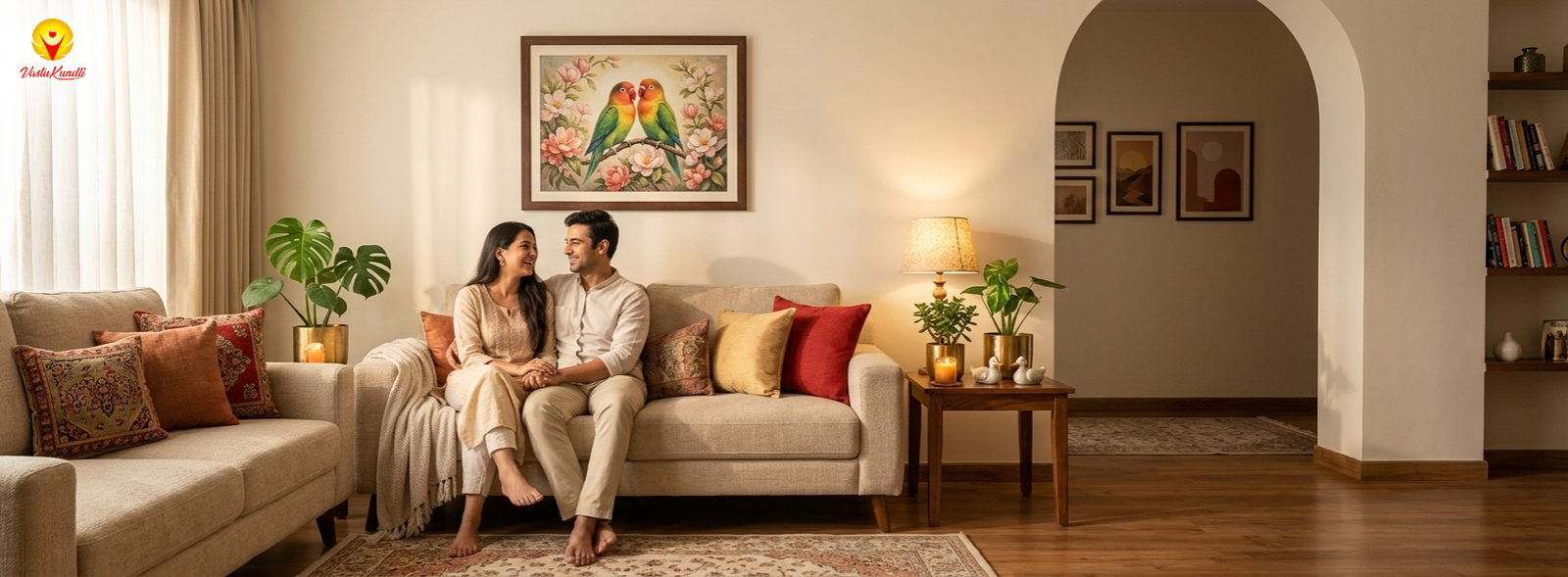
Let’s talk specifically about master bedroom placement because this is often the primary culprit when couples feel distant after relocating. Your bedroom is where the most vulnerable, intimate aspects of your relationship unfold. It’s where you sleep together, make love, share quiet conversations in the dark, wake up next to each other. The energetic quality of this space profoundly affects your capacity for intimacy and emotional connection.
In Vastu science, certain directional zones naturally support relationship energy and others suppress it. The Southwest zone, for example, is generally considered highly supportive for master bedrooms because it provides stability, grounding, and depth to relationships. The Northwest zone can create restlessness and lack of commitment. The Southeast zone can introduce conflict and heated emotions. The Northeast zone can make the relationship feel spiritually connected but physically distant.
The problem is that many modern homes, especially in North America, place master bedrooms based on architectural convenience rather than energetic appropriateness. You might have a gorgeous master suite with an en-suite bathroom and walk-in closet in a zone that fundamentally undermines intimacy and emotional connection. You love the physical space but wonder why you and your partner seem to drift apart in it.
For Rishabh and Komal, their master bedroom in the new Chicago house was positioned in the Northwest zone. This placement was creating subtle restlessness in their relationship. Neither of them felt truly settled or committed to quality time together. They were physically present but mentally and emotionally scattered. The bedroom that should have been their intimate sanctuary was instead creating an atmosphere of transience and disconnection.
Since relocating the bedroom to a different part of the house wasn’t realistic, the Vastu recommendations focused on optimizing the Northwest bedroom through directional corrections, specific color applications, strategic furniture placement, and objects that helped stabilize and ground the room’s energy. These adjustments didn’t change the bedroom’s physical location but fundamentally shifted its energetic quality in ways that supported their relationship.
The Bed Direction Nobody Thinks About
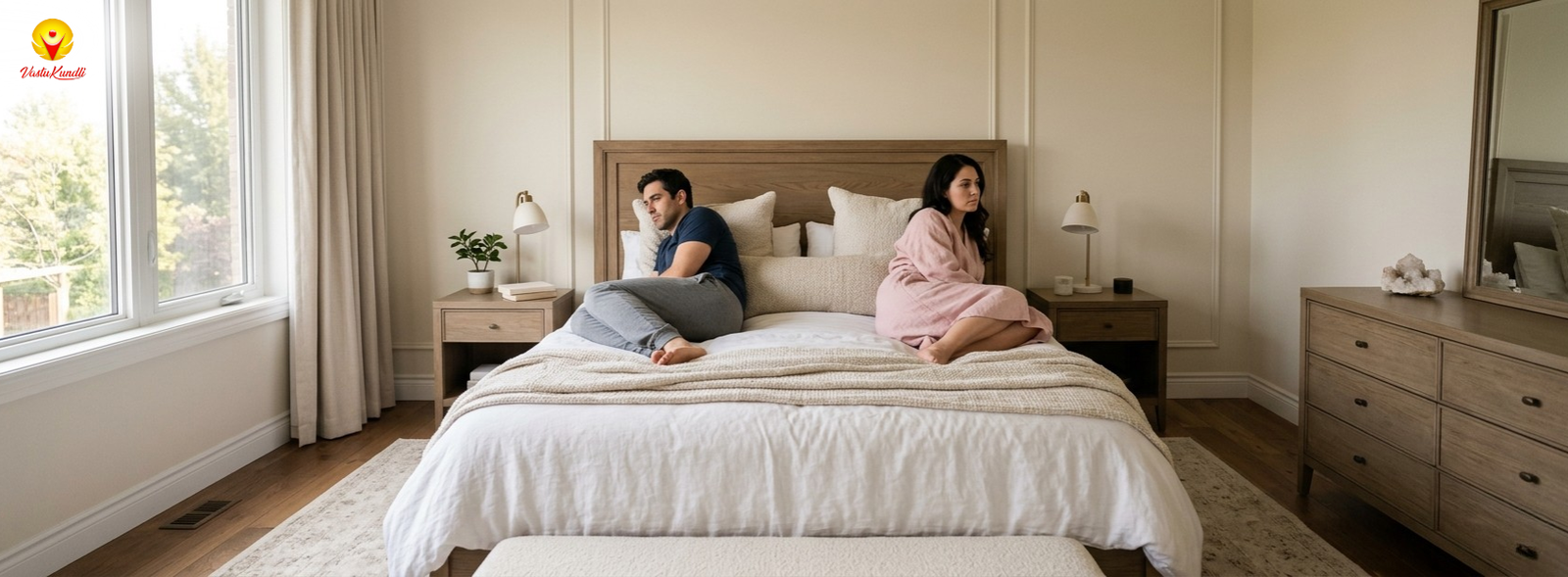
Even more specific than bedroom placement is the direction your bed faces and the direction your head points while sleeping. This might sound like minutiae that couldn’t possibly matter, but the magnetic and directional energies while you sleep have profound effects on your subconscious mind, emotional state, and relational energy.
When you sleep, your conscious defenses are down. You’re completely open to the environmental energies around you. Your body and mind are processing the day, integrating experiences, rebalancing hormones and neurotransmitters, and essentially resetting for the next day. If you’re sleeping in a directional alignment that creates mental agitation, emotional coldness, or relational distance, those qualities get programmed into your system night after night.
Many couples find that after relocating, their bed naturally fits in their new bedroom in a different orientation than it was positioned in their previous home. Maybe in the old place your head pointed South while sleeping, and in the new place it points West. This seemingly small change can create significant shifts in how you feel emotionally and relationally. You might not consciously notice the difference, but your subconscious and energetic body absolutely register it.
For some couples, certain head directions while sleeping can create emotional withdrawal, making you less interested in intimacy and connection. For others, certain directions can create irritability and arguments. The specific effects depend on individual factors combined with the overall directional energies of your home, which is why personalized analysis matters more than generic advice.
Rishabh and Komal’s bed orientation in their new home had both of them sleeping with heads pointing in a direction that was creating emotional aloofness for their specific situation. The Vastu report recommended repositioning the bed to a different wall, changing the head direction significantly. This simple shift, which took less than an hour to implement, started creating noticeable changes in how they felt toward each other within two weeks.
Komal described it as a subtle thawing. She found herself wanting to cuddle while watching TV, something she hadn’t felt drawn to do in over a year. Rishabh noticed he was looking forward to coming home and being near Komal rather than feeling indifferent about it. These weren’t dramatic overnight changes, but steady, progressive warming of the emotional temperature between them.
How Main Entrance Energy Affects Your Welcome Home
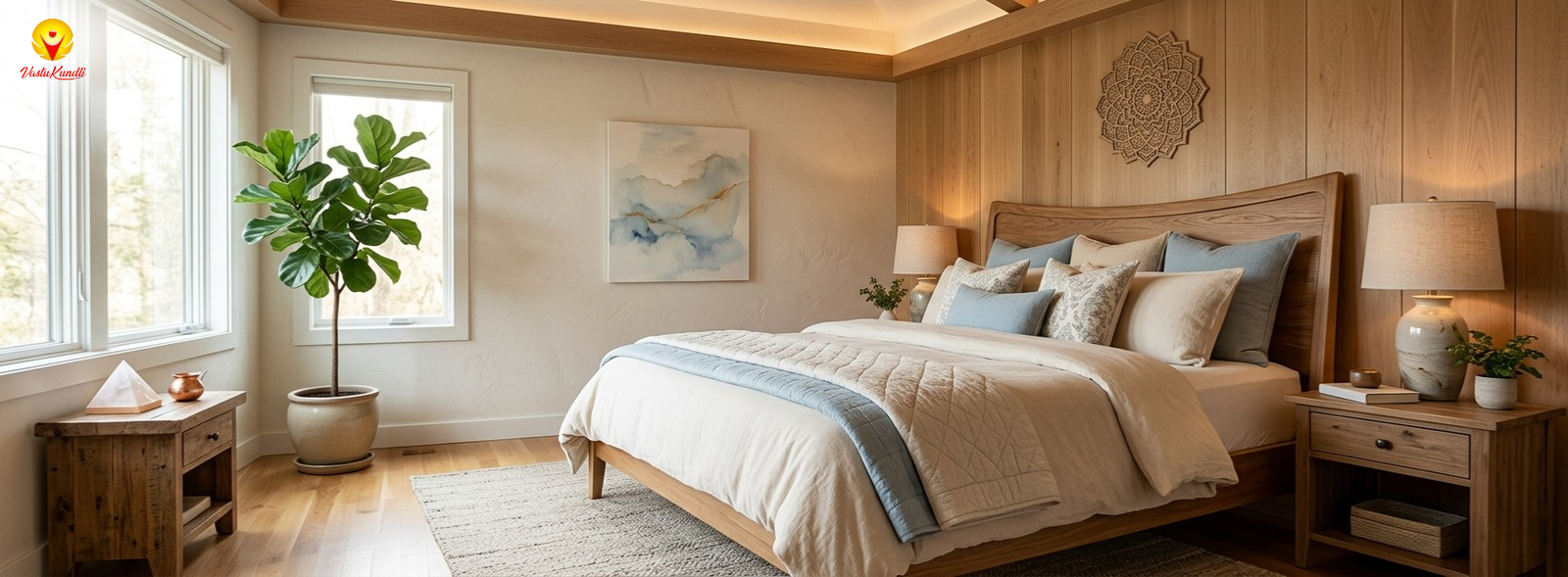
Here’s something that surprises many couples. The quality of energy at your main entrance affects not just how you feel about your home generally but specifically how you feel about coming home to your partner. Your entrance is the energetic gateway through which you transition from the outside world back into your intimate domestic space.
If your entrance creates a sense of welcome, openness, and positive energy flow, coming home feels good. You cross the threshold and something in you relaxes and opens. You’re ready to connect with your partner, to transition from work mode to relationship mode. If your entrance feels blocked, dark, cramped, or energetically disturbed, coming home feels subtly stressful or unwelcoming, even if you’re not consciously aware of why.
This entrance energy affects both partners every single day. When Rishabh came home from work, walking through their poorly lit, somewhat cluttered entrance hallway, he was unconsciously absorbing a message of constriction and heaviness. This affected his mood and openness right at the moment he was transitioning to being home with Komal. When Komal came home from her errands or workday, she experienced the same subtle damper on her energy and mood.
Over time, these daily micro-experiences compound. Coming home stops feeling like a joyful reunion and starts feeling neutral at best, slightly burdensome at worst. You don’t consciously blame your partner for this feeling, but the association forms anyway. Home equals partner equals this vague sense of diminishment rather than expansion and joy.
The Vastu recommendations for their entrance were remarkably simple. Improve the lighting significantly to create brightness and welcome. Declutter completely to allow energy to flow freely. Add a specific mirror placement to redirect and expand the energy. Use certain colors in the entrance to create warmth. These changes cost very little and required no structural modifications, but they fundamentally shifted how the entrance felt energetically.
Both Rishabh and Komal reported that coming home started feeling different almost immediately. There was a sense of lightness and welcome they hadn’t experienced since moving to Chicago. This improved entrance energy set a better tone for their evening interactions, creating small but meaningful improvements in their willingness to engage positively with each other.

The Clutter That Symbolizes Emotional Baggage
Physical clutter in your home, especially in relationship zones and the master bedroom, often mirrors and reinforces emotional clutter in your relationship. When you relocate, there’s usually a period where you accumulate boxes of unpacked items, things that don’t have proper places yet, belongings from your previous life that don’t quite fit the new space. This physical disorder creates energetic stagnation that affects your emotional and relational flow.
Think about what clutter represents energetically. It’s unfinished business. Unmade decisions. Attachments to the past. Avoidance of dealing with what needs attention. When your bedroom or main living spaces contain significant clutter, you’re literally surrounding your relationship with symbols and energy of incompleteness and stagnation. This reinforces similar patterns in your emotional and intimate life together.
Many couples don’t realize how much their cluttered environment is affecting their relationship. You think it’s just a matter of not having time to organize yet, or being busy with other priorities. But your subconscious mind is processing all that disorder every time you see it. Your energy is subtly drained by the visual chaos and the mental load of all those unfinished tasks.
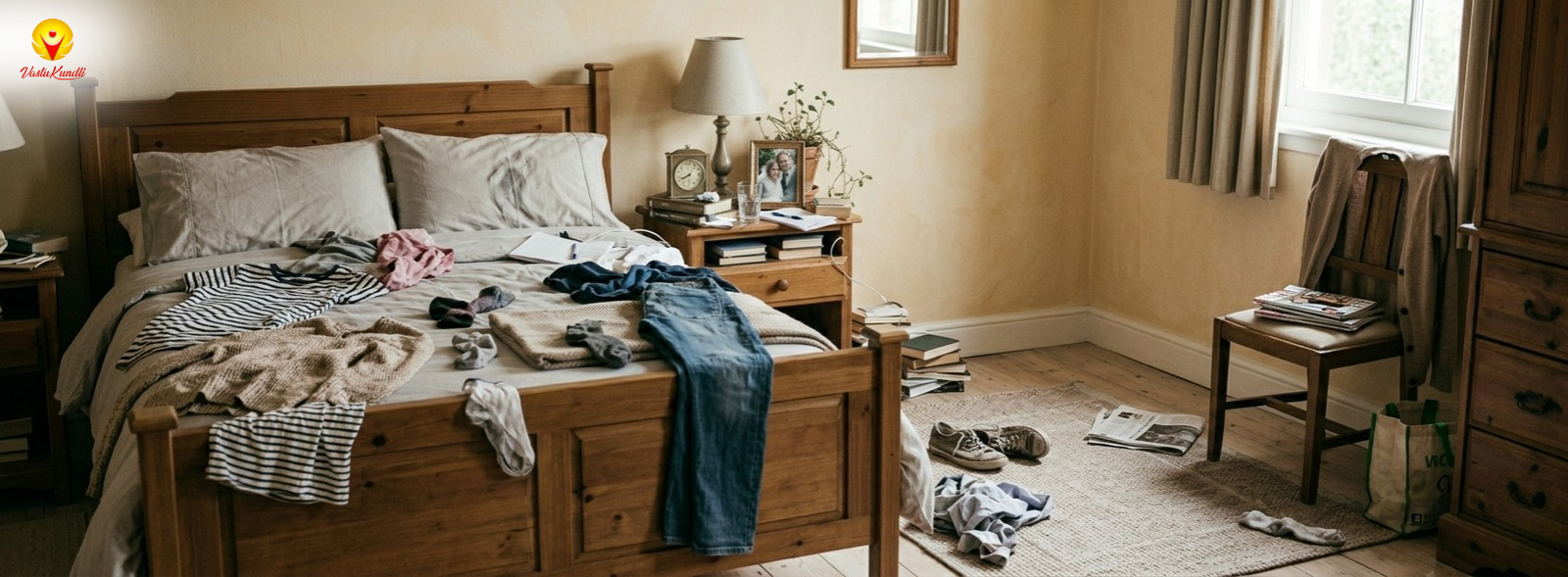
For Rishabh and Komal, their bedroom had become a dumping ground for items they hadn’t found homes for elsewhere. Boxes stacked in corners. Clothes piled on chairs. Miscellaneous items on every surface. They were so used to it they barely noticed anymore consciously, but the energetic weight of all that clutter was suppressing the room’s capacity to hold intimate, connected energy.
The Vastu report specifically called out the bedroom clutter as a critical issue affecting their relationship. Clearing it required dedicating a weekend to sorting, organizing, donating, and properly storing items. It wasn’t fun or easy, but once their bedroom was completely clear and organized, both of them felt an immediate shift. The room felt lighter, calmer, more inviting. It became a space they wanted to spend time in together rather than just a place to collapse into bed.
Komal said it felt like they could finally breathe in their own bedroom. That sense of space and clarity translated into emotional space and clarity between them. They started having real conversations again, lying in bed talking like they used to. The physical clearing created room for emotional connection to flow again.
Light and Color Impacts on Emotional Temperature
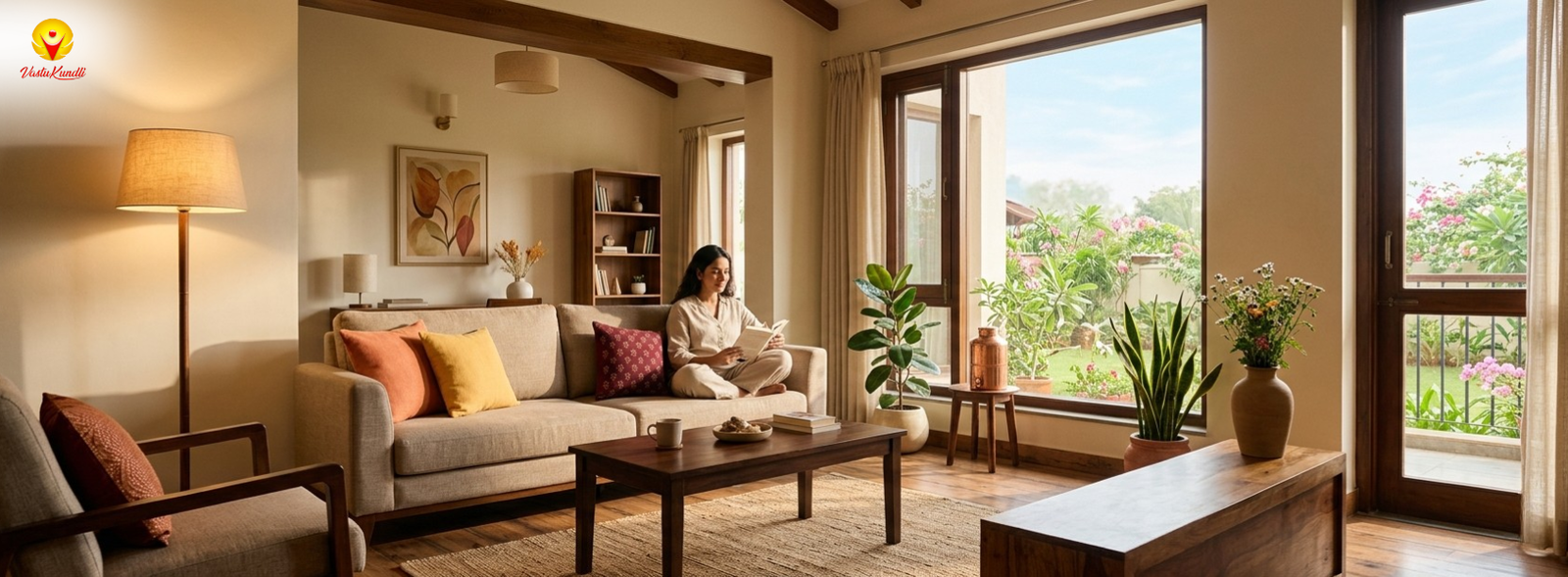
The quality, intensity, and color temperature of light in your bedroom and main living spaces affects your emotional state and relational warmth more than most people realize. When you relocate, you’re entering a space with completely different natural light patterns and often different artificial lighting than your previous home. These light quality changes affect mood, energy levels, and emotional openness in significant ways.
Harsh, cold lighting creates an atmosphere that feels clinical and emotionally distant. You can’t fully relax or open emotionally in a space that feels sterile. Dim, inadequate lighting creates heaviness and can suppress energy and desire for connection. The right balance of warm, adequate lighting creates an atmosphere that supports emotional intimacy and physical closeness.
Natural light patterns matter enormously too. If your bedroom gets harsh morning sun that wakes you abruptly and jarringly, you start your day with stressed energy that affects your mood and patience with your partner. If your main living spaces lack adequate natural light during evenings when you’re trying to connect after work, the dim heaviness can suppress conversation and togetherness.
Rishabh and Komal’s new bedroom had cold, bluish overhead lighting that made the space feel uninviting and clinical. They rarely used it, preferring to just use bedside lamps, but this made the room feel dim and somewhat depressing. Their main living area had limited natural light in the evenings, creating a cave-like feeling that didn’t encourage active engagement or conversation.
The Vastu recommendations included replacing the bedroom’s cold overhead light with warm-toned, dimmable fixtures that created a cozy, intimate atmosphere. Adding warm accent lighting in the living areas to supplement natural light during evenings. Using specific colors in textiles and decor to create emotional warmth that supported connection and intimacy.
These lighting and color changes created an environment that felt fundamentally more welcoming and emotionally warm. Both of them found they wanted to spend more time in these spaces together rather than retreating to separate activities in different rooms. The physical warmth of better lighting translated into emotional warmth between them.
The Electronic Interference Most Couples Ignore
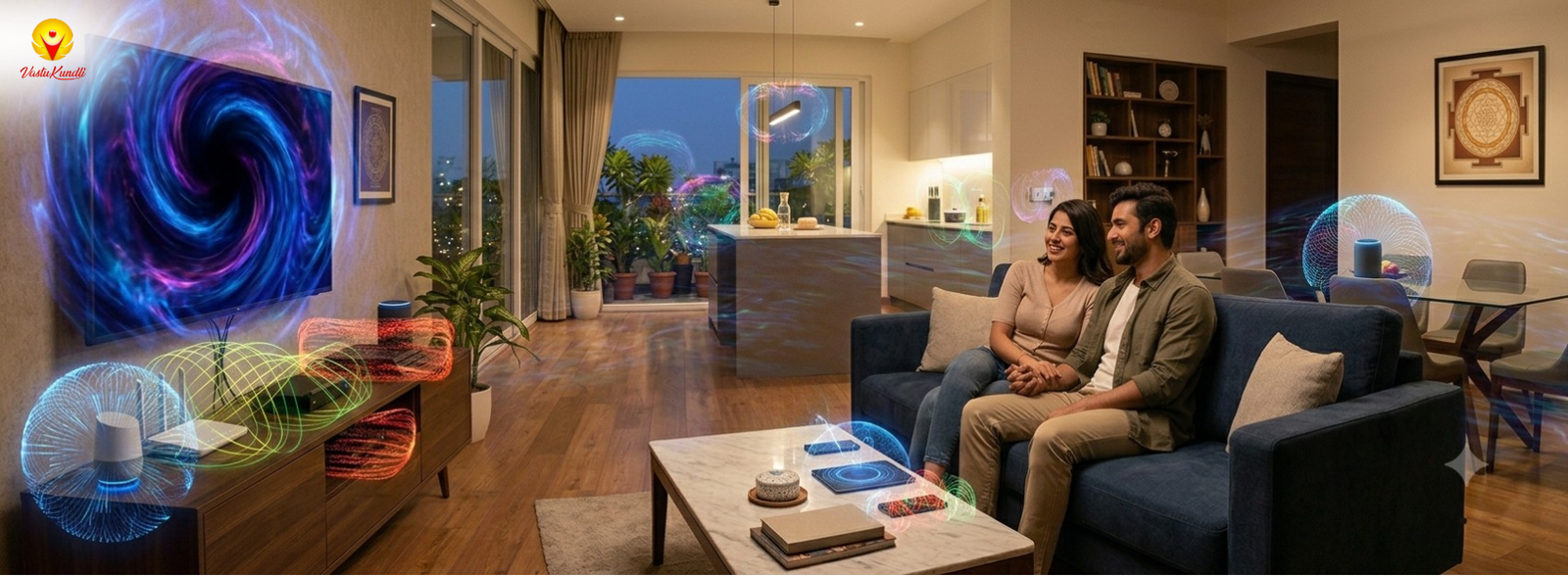
Modern North American homes are saturated with electronic devices that create electromagnetic fields affecting your energy, sleep quality, and relational intimacy. When you relocate, you often set up your technology differently than it was arranged in your previous home. Maybe your WiFi router is now positioned closer to your bedroom. Maybe you’ve added more smart home devices. Maybe your bed is now against a wall with significant electrical wiring.
These EMF exposures affect sleep quality, which affects mood and stress resilience, which affects relationship patience and connection. They also create a subtle energetic interference that sensitive individuals can feel as a kind of agitation or inability to fully relax and be present. When both partners are experiencing this low-level environmental stress, it compounds the difficulty of maintaining emotional and physical intimacy.
Beyond EMFs, the simple presence of screens and devices in the bedroom affects intimacy. When you have televisions, phones, tablets, and computers in your bedroom, they become competitors for attention and connection time. Instead of talking or being intimate, you’re scrolling or watching shows. The bedroom transforms from an intimate sanctuary to just another entertainment and work zone.
For Rishabh and Komal, their bedroom in the new house contained a large television they watched every night, both of their phones charging on bedside tables, and Rishabh’s laptop since he sometimes worked late in bed. Their router happened to be positioned just outside their bedroom door. All of this created an environment of constant electronic presence and EMF exposure that was suppressing intimacy.
The Vastu recommendations included removing the television from the bedroom entirely, keeping phones out of the bedroom at night or at least several feet from the bed, establishing a no-work-in-bed policy, and relocating the WiFi router farther from sleeping areas. These changes forced them to actually talk to each other before bed rather than defaulting to screens, and created a quieter, energetic environment that supported deeper rest and more openness to intimacy.
Creating Intentional Intimacy Zones in Your Home
Beyond addressing problems, Vastu helps couples create intentional spaces that actively support and encourage intimacy and connection. This means identifying and optimizing specific areas of your home as relationship zones where you prioritize togetherness, conversation, and closeness.
In many modern homes, couples don’t have well-defined spaces for intimate connection outside the bedroom. Living areas are shared with children or set up primarily for television watching. Kitchens are functional rather than social. There’s no comfortable space that feels designed for the two of you to just be together without specific activity or purpose beyond enjoying each other’s company.
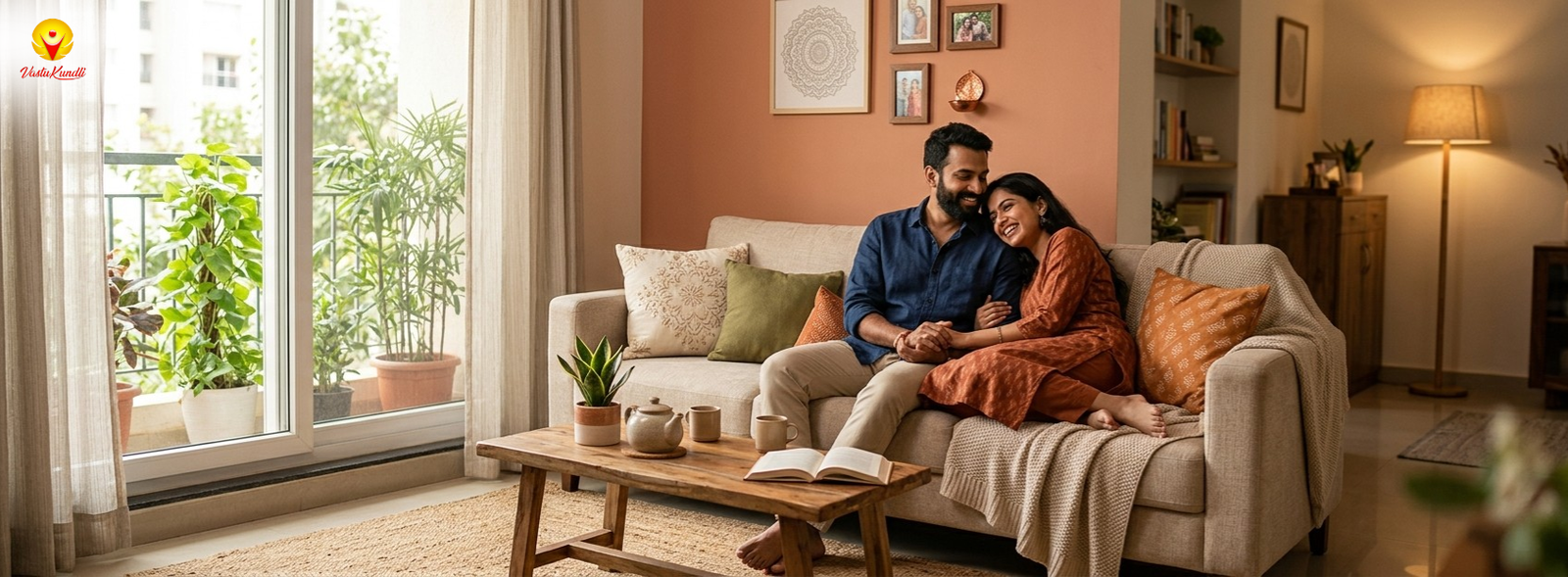
Creating such a space doesn’t require extensive renovation or huge investment. It might be a corner of your living room with comfortable seating positioned to encourage conversation rather than media consumption. A small breakfast nook where you commit to having morning coffee together. A cozy reading area where you can be near each other even while doing separate activities. The key is intentional designation of space as relationship space.
For Rishabh and Komal, the Vastu report helped them identify an underutilized corner of their living room that could become their connection zone. They added a loveseat positioned away from the television, good lighting for conversation, some plants to create warmth, and committed to spending at least twenty minutes there together each evening just talking. This simple designated space for connection became a daily ritual that rebuilt their intimacy gradually.
The physical space held the intention. Just sitting there together, their bodies remembered to connect in ways they had forgotten. Conversations flowed more easily. Physical affection became more natural. Having this intentional space separated from functional areas of the house helped them transition into relationship mode rather than just coexisting in the same house.
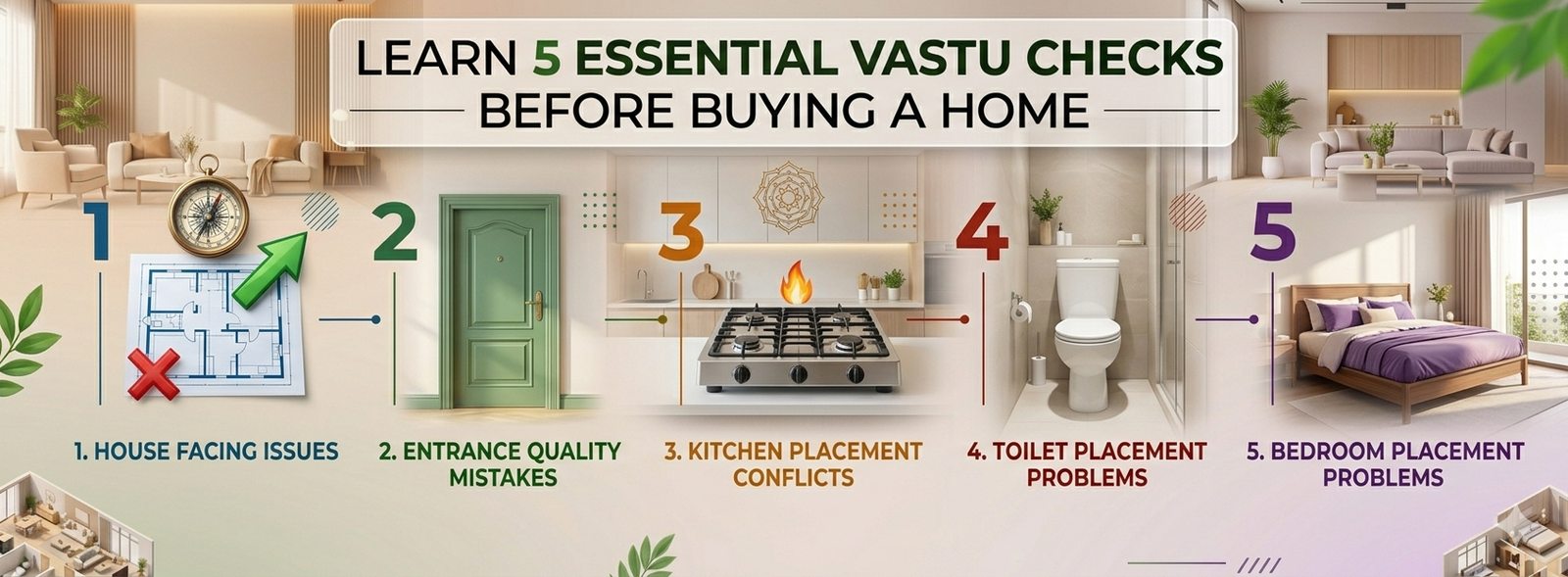
Learn 5 Essential Vastu Checks Before Buying a Home
Even before consulting an expert, families can perform 5 essential checks themselves:
- House Facing Issues – The direction your home faces affects overall energy and growth.
- Entrance Quality Mistakes – The main door controls how positive energy enters the house.
- Kitchen Placement Conflicts – Wrong kitchen direction can disturb health and finances.
- Toilet Placement Problems – Poor toilet location can weaken wealth and health zones.
- Bedroom Placement Problems – Incorrect bedroom zone can affect sleep and relationships.
These simple checks are just the start. To learn them in depth, with practical applications for homes in the USA and Canada:
Join our live course “5 Essential Vastu Checks Before Buying a Home.”
This course will guide you step-by-step to evaluate any property before making a purchase, helping you avoid mistakes that lead to stress, financial strain, and family discomfort. Families who take this course leave with actionable insights they can implement immediately—whether they’re buying a new home or checking an existing property.
Go to the course section and join our live course today to gain major Vastu insights for every home decision.
Book Your Comprehensive Vastu Health Report
For families ready to buy or even after selecting a property, our Vastu Health Report is invaluable. Unlike a casual consultation, this report examines 30+ critical parameters of your home, including:
Main door alignment and entrance energy, kitchen orientation and placement, bedroom and study room energy, clutter and lighting analysis, and hidden energy zones affecting health, wealth, and relationships.
By checking all these parameters, families can identify and correct energy blockages before moving in, ensuring long-term harmony, prosperity, and well-being.
Book your personalized Vastu Health Report in the consultation section today—because your home should nurture your family, not drain it.
About Our Vastu Expert – Gaurav Jindl
With extensive experience helping couples and families throughout USA and Canada, Gaurav Jindl specializes in practical Vastu solutions for modern North American homes. He understands the unique challenges of relocation and how home energy affects relationships. His recommendations focus on simple, achievable remedies that work within Western home design without requiring renovations or structural changes.
Practical Advice for Families in the USA and Canada
If you’ve noticed emotional distance developing with your partner after relocating, don’t immediately assume your relationship is failing. Consider your home environment as a potential contributing factor. Start with basic observations. Does your bedroom feel welcoming and intimate or cold and functional? Does coming home feel good or subtly stressful? Do you have spaces designed for connection or only for functional activities?
Simple first steps include completely decluttering your bedroom and creating it as a true sanctuary for rest and intimacy. Remove all screens and work materials from the bedroom. Improve lighting to create warmth and adjustability. Consider repositioning your bed to see if a different orientation affects how you feel. Create at least one intentional space in your home specifically for couple connection time.
If distance persists despite these basic changes, invest in a comprehensive Vastu Health Report that analyzes your specific home’s energy patterns and their effects on relationship dynamics. The insights and remedies provided can help you understand environmental factors affecting your intimacy and give you practical solutions that support your partnership.
Final Thoughts
Rishabh and Komal’s story represents many couples who blame themselves or their relationship for distance that actually originates from environmental energy imbalances. The pain of feeling disconnected from your partner, the fear that love might be fading, the confusion when you can’t identify what changed, all of this is real and valid. But sometimes the answer isn’t that your relationship is broken. Sometimes your home environment is working against your connection.
Your living space profoundly affects your capacity for intimacy, emotional openness, and relational warmth. When you relocate into a home with energy patterns that suppress these qualities, maintaining closeness becomes difficult regardless of how committed you both are. But when you optimize your home’s energy to support your relationship, intimacy can flourish again in ways that feel natural and effortless.
Don’t give up on your relationship before examining your environment. Your home should be supporting your love, not suppressing it. The space you share deserves as much attention as the relationship itself because they’re deeply interconnected.
Frequently Asked Questions
Q. Can home energy really affect emotional intimacy between partners?
Yes, absolutely. Your living space creates an energetic atmosphere that either supports openness, connection, and intimacy or suppresses these qualities. Directional energies, bedroom placement, light quality, and spatial arrangements all affect your subconscious emotional state and relational capacity in measurable ways.
Q. How quickly might we notice relationship improvements after Vastu changes?
Most couples notice subtle shifts within two to three weeks, particularly in sleep quality and daily mood toward each other. More significant reconnection typically develops over six to eight weeks as you consistently experience improved environmental support for intimacy and both partners’ nervous systems relax.
Q. Do both partners need to believe in Vastu for it to work?
No. Environmental energy affects everyone regardless of belief. However, when both partners understand the changes being made and why, they’re more likely to support the process and notice improvements. Shared intention amplifies results, but the environmental effects occur whether you believe in them or not.
Q. What if we can’t change our bedroom location to a better zone?
Most couples can’t relocate their bedroom to different areas of the house. This is why Vastu solutions for North American homes focus on optimizing the bedroom you have through directional corrections, furniture placement, lighting, colors, and strategic objects that balance the room’s inherent energy regardless of its location.
Q. Are these remedies appropriate for same-sex couples or non-traditional relationships?
Yes, Vastu principles apply to all intimate partnerships regardless of configuration. The energy dynamics affecting intimacy, emotional connection, and relational harmony are universal. Recommendations are personalized based on the specific individuals and their home’s unique energy patterns, not relationship type.